
Every Safe Flight Is A Human Story
We support the people behind every safe arrival, pilots, cabin crew, air traffic controllers, engineers, ground staff. Not as roles. As people.
Not just a uniform.
Behind every system is a nervous system. We're listening.
Flight deck
Cabin Crew

Tower
Apron
Engineer
We hold the humans who hold up the sky.
The Humane Aviation Foundation is an aviation-psychology non-profit. We exist to give pilots, cabin crew, air traffic controllers, engineers and ground staff somewhere to bring the weight of the job, without it costing them a licence, a roster or a reputation.
We don't replace clinical care. We work alongside it: peer support, group practice, conversations in boardrooms and briefing rooms, and a quiet community of people who already understand the language of the cockpit, the tower and the hangar.
Aviation is the safest industry in the world because of its systems. The next leap in safety will come from looking after the humans inside them.
The machine got perfected first. The humans are next.
Aviation is one of the safest industries on earth, built on checklists, redundancy, and rigour applied without exception. Nobody gets in a cockpit hoping for the best.
What's had less attention is the human factor inside that system. Rosters that don't allow for proper recovery. Time zones the body never fully adjusts to. Cultures where asking for support still feels riskier than staying quiet.
So we work alongside airlines, regulators, and training organisations, bringing the same rigour aviation gives its aircraft to the people flying them.
Did you know
of pilots have avoided healthcare specifically to protect their aeromedical certificate.
Hoffman et al., 2022 · survey of 3,500+ US commercial pilotshigher rates of sleep disorders, depression and anxiety in flight attendants versus the general population.
McNeely et al., 2018 · Harvard Flight Attendant Health Study (n=5,366)of air traffic control schedules cause chronic fatigue. Controllers average just 3.1 hours of sleep before a midnight shift.
NASA / FAA Controller Fatigue Study, 2012 · survey of 3,268 controllersof airline pilots meet the clinical threshold for depression, and 4.1% report having had suicidal thoughts in the past two weeks.
Wu et al., 2016 · Harvard T.H. Chan School of Public Health (n=1,848)How we hold the people.
Press to Talk • Peer Support
An independent, confidential and off-the-record line held by trained peers, fellow pilots, controllers, crew and engineers. You reach out; we respond as soon as we can. Nothing goes on your record.
Meditation
Meditation offers a quiet space to pause, breathe, and reconnect. Guided by experienced practitioners and rooted in the Heartfulness approach, these sessions are open to everyone, no prior experience required.
Keynote & Awareness
Human-centred workshops and webinars for aviation organisations, regulators, conferences and academies. Designed to open better conversations and shape safer decisions.
Education
Accredited human-factors courses for aviation professionals, designed to strengthen judgement, performance and safer systems.
Community
A growing network of aviation professionals who look out for one another. Forums and meet-ups built around real schedules and real lives.
Research
Evidence-led work exploring the human side of aviation. Studies, insight and lived experience brought together to better understand the conditions that shape safety, performance and wellbeing.
A small team,
on purpose.
We have flown the rosters, sat the consoles, and held the hard conversations. Everyone you'll speak to has been where you are.

Capt. Geetanjali Khadria
Founder · Human Factors Specialist
With over 30 years of domestic and international aviation experience, Captain Khadria is a veteran aviator and a leading expert in aviation safety. She is a long-haul pilot turned peer-support trainer. She specializes in Crew Resource Management (CRM), Human Factors investigations, peer coaching, and designing resilient operational safety systems.
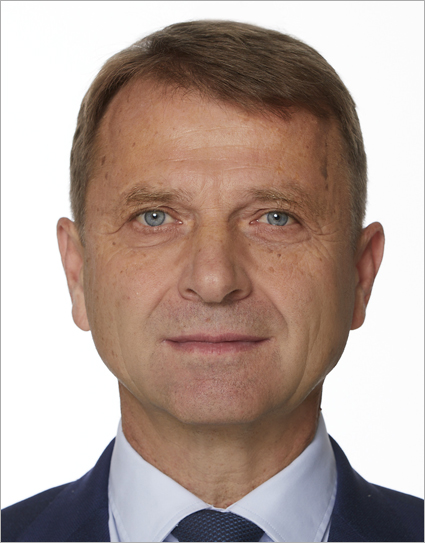
Dr. Alois Farthofer
Aviation & Clinical Psychologist
His work with airlines and aviation professionals reflects a lifelong commitment to making aviation not only safer, but more human. As a private pilot, he combines psychological expertise with a personal understanding of the challenges and responsibilities that come with life in aviation.
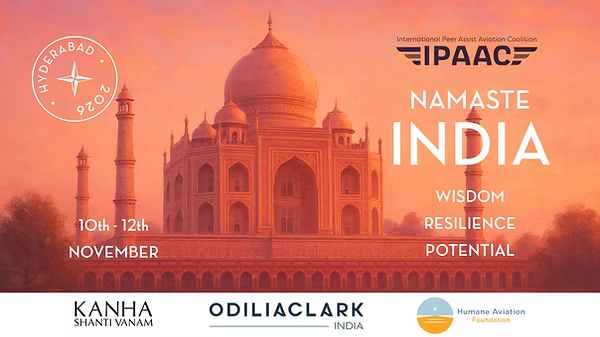
Upcoming Events
Mental Strength in Times of Aviation Stress
First time in India, an opportunity to share best practices and promote cross-sectional learning as the global aviation peer support community gathers here.
You don't have
to hold it alone.
Whether you fly, control, fix or load, there's a peer waiting to hear you. Contact us!